
Email is the lowest common denominator of identity
For three years, Icebreaker let you sign in almost any way you wanted. Email. Wallets. X, GitHub and LinkedIn. SMS.
Last week we turned off everything but email.
We’ve been heading here since we launched Icebreaker Teams. Email is the lowest common denominator of identity.
What broke
Supporting every sign-in method created real problems. The same person would show up as several accounts, which added complexity nobody needed. We often couldn’t easily tell who was real. And when we had something to announce, we weren’t sure who we could actually reach.
Email has some of the same problems, just much less. And it has strengths that are hard to compete with.
Why email
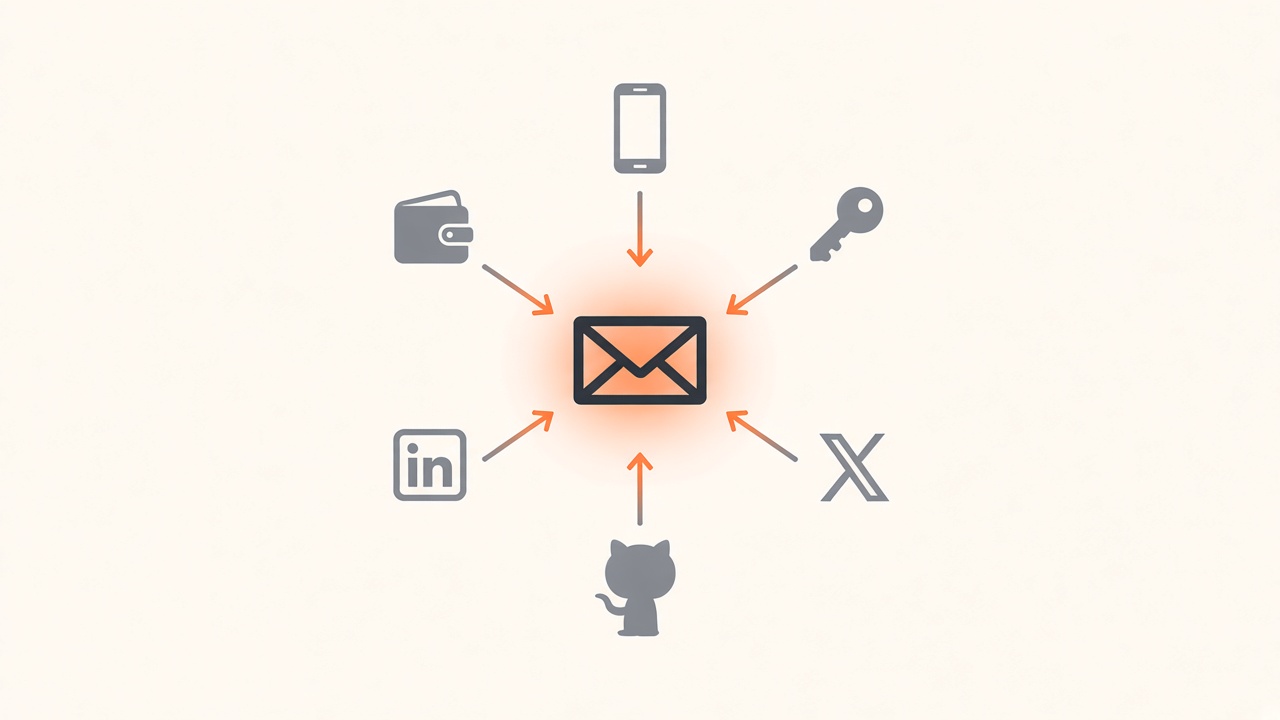
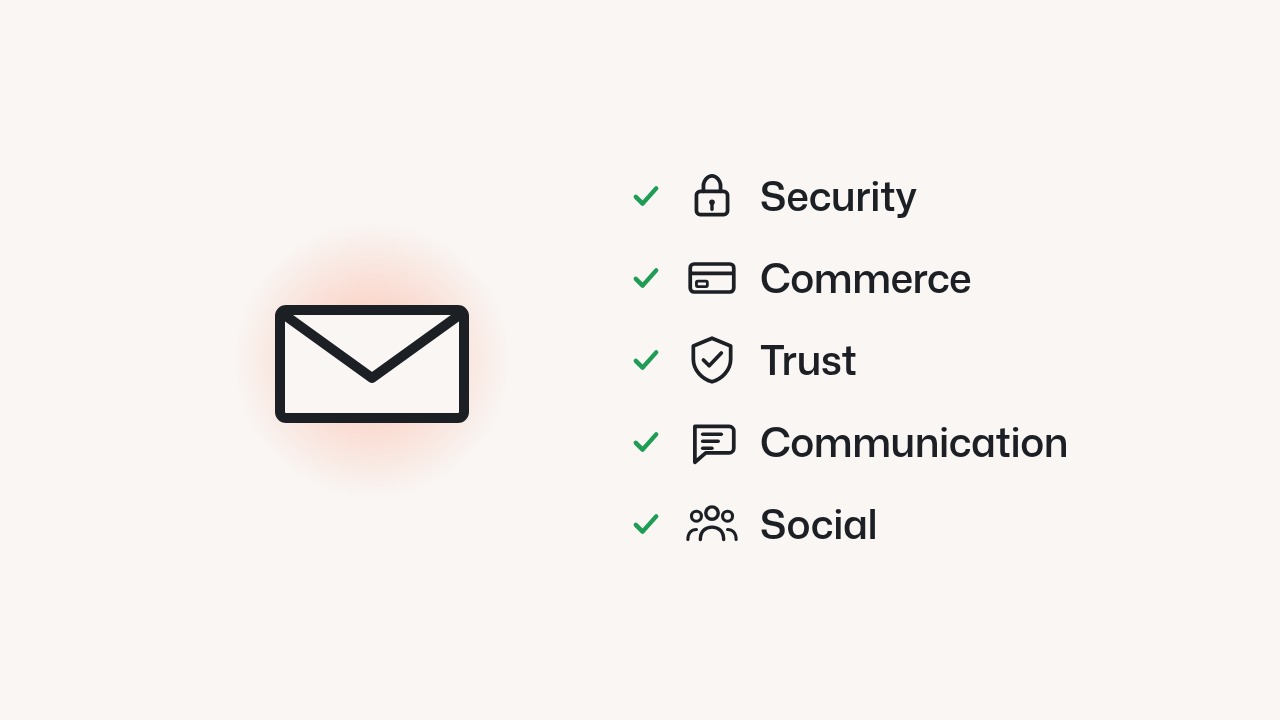
First, it’s easy. Everyone already has one (or many!), and there’s a whole world of infrastructure built around it. People also get to choose which one to use: a semi-anonymous address through Apple Private Relay or Cloaked, a personal address, a work address, or some mix.
Second, it’s safer, and easier to recover when something goes wrong. We already have years of systems for account takeovers, 2FA and backups. Email is usually the first thing people harden. Yes, SIM swaps and phishing are real, but they hit other login methods too. The tools for securing and recovering a wallet are much more fragile, when they exist at all. Wallets also face migration questions about what happens to today’s keys once quantum computers can break them.
Third, you don’t lose what made wallets interesting. You can attach a wallet to an email account, ours or your own, for things like attestations, credentials and stealth addresses. That includes zero-knowledge proofs, which let you prove something about yourself without revealing the details.
Fourth, email can convey trust. When I used to email someone from my @google.com address, it opened doors instantly. Even a personal Gmail address with a long history says something about you. A new wallet says nothing and even an old one doesn’t easily convey trust.
Fifth, every app needs a way to talk to its users. The wallet world tried to solve this with projects like XMTP and Push Protocol. They were promising, but none of them caught on widely. Email already works.
What about SMS? It reaches more people worldwide than email does, and for some apps it’s the right choice. For us, most of the identities and relationships we work with are already tied to email. Running two base layers of identity is how we ended up with duplicate accounts in the first place. So we picked one. SMS has its own limits too: numbers get recycled, SIM swaps target them, and most people only have one.
The catch
Trust based on email domains isn’t fair. People tend to trust someone at a big company more than someone at a small one, and we can’t change that. What we can do is let you choose which affiliations to share, and let trust travel in ways it couldn’t before.
That’s part of what we’re building at Icebreaker. If you once had an email at a big company, you can show it on your profile as a credential. A former colleague can vouch for you. And you can show that you’re connected to other people with high trust.
Email isn’t exciting. That’s sort of the point. It’s the one thing almost everyone already has, and you can build the rest on top of it.